
The end of the year is more than a time to finish tasks. It is also a chance to reset, organize, and prepare for a stronger start next year. Many professionals focus only on closing out current work, but the habits built at year-end can make the next season easier. That is why Year-End Work Habits matter.
Year-End Work Habits help employees review what worked, clean up unfinished tasks, organize information, and create a clearer path into the new year. These habits do not need to be complicated. Small actions like updating task lists, documenting decisions, reviewing goals, and organizing digital files can reduce stress when work resumes after the holidays.
A strong year-end routine helps prevent the new year from beginning with confusion. Instead of returning to scattered notes, unclear priorities, and unfinished loose ends, professionals can come back to a cleaner, more manageable work environment.
Review What Worked This Year
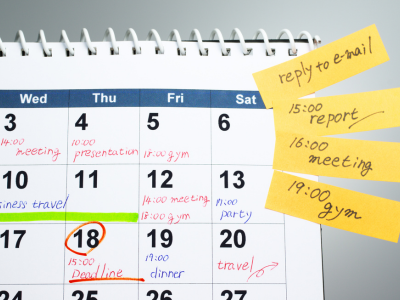
One of the most useful Year-End Work Habits is reviewing what worked well. It is easy to focus only on what went wrong or what remains unfinished, but positive patterns matter too. Think about which routines helped you stay productive, which communication habits improved teamwork, and which tools made work easier.
This review does not need to be formal. A short reflection can be enough. Ask what helped you stay focused, what reduced stress, and what supported better results. These answers can help you decide what habits to keep next year.
Professionals often improve their routine when they focus on practical ways to work smarter instead of starting every year with a completely new system.
Identify What Created Friction
A year-end review should also include what created friction. Did meetings take too much time? Were priorities unclear? Did communication feel scattered? Did certain tasks repeatedly get delayed? Did digital clutter make work harder?
Year-End Work Habits are most helpful when they address real problems. If you know what slowed you down this year, you can build better habits for next year.
Try writing down three recurring problems and one possible improvement for each. For example, if tasks were often unclear, the improvement might be confirming deadlines and owners before work begins. If emails became overwhelming, the improvement might be checking messages in focused windows.
Clean Up Open Tasks
Unfinished tasks can create stress when the new year begins. One of the most practical Year-End Work Habits is reviewing open work and deciding what should happen next.
Some tasks may need to be completed before the year ends. Others may need to be scheduled for January. Some may no longer be relevant. Leaving everything in one long list creates confusion.
Sort tasks into clear categories: finish now, schedule later, delegate, pause, or remove. This process helps reduce mental clutter and creates a cleaner return point after time off.
Organize Digital Files And Notes
Digital clutter can make work feel more chaotic than it needs to be. Old downloads, unclear file names, outdated drafts, and scattered notes can waste time when you need to find information later.
A simple digital cleanup is one of the most valuable Year-End Work Habits. Organize important files, archive outdated documents, rename unclear items, and make sure key information is stored where it belongs.
This does not require a perfect filing system. The goal is to make your work easier to restart. A cleaner digital workspace can reduce friction and help you begin the next year with more clarity.
Document Important Decisions
Many teams make decisions throughout the year that are never fully documented. Those decisions may live in emails, meeting notes, or memory. When the new year begins, people may not remember why something changed or what was agreed on.
Year-End Work Habits should include documenting important decisions. Capture what was decided, why it matters, who owns next steps, and where related information lives. This habit is especially useful for projects that will continue into the new year.
Clear documentation supports better team communication at work because people can return to shared information instead of relying on memory or repeated conversations.
Review Communication Habits
The end of the year is a good time to review communication. Were updates clear? Did meetings end with action items? Did people know where to find information? Were expectations shared early enough?
Strong communication helps prevent confusion and rework. Year-End Work Habits should include identifying one or two ways communication can improve next year. That might mean clearer handoffs, better meeting notes, fewer unnecessary meetings, or more consistent updates.
Small communication improvements can have a large impact because they affect the entire team’s workflow.
Reset Meeting Routines
Meetings can become habits even when they no longer serve a strong purpose. The end of the year is a good time to review recurring meetings and decide what should continue.
Ask whether each meeting still has a clear purpose. Does it support decisions, planning, or problem-solving? Could it happen less often? Could some updates be shared in writing?
This kind of review supports better Year-End Work Habits because it prevents the next year from starting with an overloaded calendar. A cleaner meeting routine creates more space for meaningful work.
Protect Work-Life Balance During The Reset
Year-end preparation should not become another source of stress. It is helpful to organize and plan, but not at the cost of exhaustion. Good Year-End Work Habits should support a healthier rhythm, not create extra pressure.
Set realistic limits on what can be cleaned up before the year ends. Take breaks. Avoid trying to solve every workflow issue at once. Productivity is stronger when paired with practical work-life balance tips for busy professionals that protect energy and focus.
The goal is to start stronger next year, not to end this year completely drained.
Create A First-Week Plan For The New Year
One of the most effective Year-End Work Habits is creating a simple first-week plan for the new year. This plan should not be overly detailed. It should identify the first priorities, key meetings, important follow-ups, and any projects that need attention immediately.
A first-week plan reduces the friction of returning after time off. Instead of trying to remember where everything stands, you have a clear restart point.
Include your first task for the first workday back. That small decision can make the return feel much smoother.
Keep The Process Simple And Repeatable

The best Year-End Work Habits are simple enough to repeat every year. They should help you review, organize, document, and prepare without becoming overwhelming.
A strong year-end routine might include reviewing wins, identifying friction, sorting open tasks, organizing files, documenting decisions, resetting meetings, and creating a first-week plan. These habits help close the current year with clarity and make the next year easier to begin.
When professionals use year-end as a reset point, they can start the new year with less confusion and more direction. Year-End Work Habits are not about perfection. They are about creating a clearer path forward.
Work Tips And More
Visit VOC Associates to gain comprehensive information on work skills. Whether you’re seeking seasoned professionals’ expertise or valuable insights, our dedicated team is here to assist you.
10 Common FAQs
1. What Are Year-End Work Habits?
Year-End Work Habits are routines that help professionals review, organize, document, and prepare before starting a new work year.
2. Why Are Year-End Work Habits Important?
They help reduce confusion, clean up unfinished work, organize information, and create a smoother start for the next year.
3. What Should I Review At The End Of The Year?
Review what worked well, what created friction, which goals were completed, and which tasks need to continue into the new year.
4. How Can I Organize Tasks Before The New Year?
Sort tasks into categories such as finish now, schedule later, delegate, pause, or remove.
5. Why Should I Clean Up Digital Files?
Digital cleanup makes it easier to find important information and reduces friction when work resumes after time off.
6. What Decisions Should Be Documented?
Document decisions that affect future work, ongoing projects, responsibilities, timelines, or team expectations.
7. Should Meetings Be Reviewed At Year-End?
Yes. Reviewing recurring meetings helps remove unnecessary calendar clutter and creates more room for focused work.
8. How Can Year-End Work Habits Reduce Stress?
They reduce stress by creating clarity, closing open loops, and giving professionals a cleaner plan for the new year.
9. What Should A First-Week Plan Include?
A first-week plan should include top priorities, important follow-ups, key meetings, and the first task to begin after returning.
10. How Can I Keep Year-End Planning Simple?
Focus on a few repeatable actions: review, organize, document, reset, and plan the first week back.
Related Posts




Get In Touch
Get in touch with our medical and dental equipment experts. VOC understands this challenge and provides customized planning and transition services to minimize the impact to your team and ensure a successful outcome.
Contact Info



 CALL US TODAY