
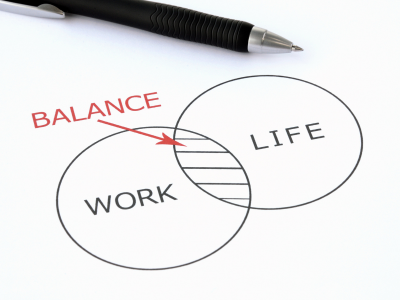
Work-Life Balance Tips are everywhere, but many of them feel unrealistic for people who are truly busy. If your role involves deadlines, meetings, customer needs, shifting priorities, or constant problem-solving, you can’t always “leave work at work” in a perfectly clean way. Still, Work-Life Balance Tips are not about pretending stress doesn’t exist. They’re about building a sustainable rhythm where your job doesn’t consume your health, relationships, and peace of mind.
The best Work-Life Balance Tips are practical. They focus on what you can control: boundaries, priorities, routines, recovery, and communication. Work-life balance isn’t a perfect daily split between work hours and personal hours. It’s the ability to keep life stable over time, even when work gets demanding. It means you can handle busy seasons without living in a permanent state of exhaustion. It means you’re not sacrificing sleep, family, or mental health just to stay afloat.
 Define What Balance Means For You
One reason Work-Life Balance Tips fail is that people adopt someone else’s definition of balance. Balance might mean strict separation for one person and flexible integration for another. Some people want predictable hours and a clear end to the day. Others want the ability to shift work around family responsibilities or energy levels.
Before you try to change your routine, get specific:
What do you want more of right now: rest, time, control, or predictability?
What is draining you most: workload, uncertainty, meetings, constant messages, or emotional stress?
What would “better” look like in the next 30 days—not forever, just the next 30 days?
Good Work-Life Balance Tips begin with clarity. If you don’t define what balance means for you, you’ll keep chasing a vague goal and never feel like you reached it.
Focus On Energy, Not Just Time
Time management matters, but energy management often matters more. Work-Life Balance Tips that focus only on schedules ignore how mental fatigue affects your productivity and mood. You can have free time and still feel exhausted if your workday drains you emotionally or keeps your brain in constant “alert mode.”
Energy-protecting Work-Life Balance Tips include:
Schedule your most demanding work when your focus is strongest
Reduce context switching by grouping similar tasks
Take real breaks that reset your attention
Avoid stacking meetings back-to-back when possible
Protect sleep like it’s a performance tool, not a luxury
When your energy is protected, you get more meaningful work done in less time. That creates space for personal life without requiring you to work longer hours.
Set Boundaries Around Availability
A major threat to balance is the feeling that you’re always reachable. Many professionals aren’t overwhelmed only by tasks—they’re overwhelmed by constant access. Messages, emails, and last-minute calls can keep your brain “at work” even when you’re technically off.
Work-Life Balance Tips become real when you set availability rules and follow them. A few practical boundary habits:
Turn off notifications after hours
Avoid checking email first thing in the morning
Reply tomorrow when possible instead of instantly reacting
Communicate response-time expectations with your team
Use status messages to protect focus blocks
Boundaries reduce mental load, which is one of the biggest wins in Work-Life Balance Tips. Even when your workload doesn’t shrink, your stress can decrease when you stop feeling constantly on-call.
Use Simple Daily Prioritization
Busy professionals often feel overwhelmed because everything feels urgent. Work-Life Balance Tips work best when you reduce urgency pressure with simple prioritization. You don’t need a complicated system. You need a clear daily plan that protects the most important work.
Try this:
Choose 1 must-do task (highest impact)
Choose 2 supporting tasks (important, smaller outcomes)
List 3 optional tasks (nice-to-have if time allows)
This prevents your day from being hijacked by low-impact work. It also helps you stop at a reasonable time because you know what matters and what can wait.
One of the most effective Work-Life Balance Tips is learning that “not done” doesn’t automatically mean “failed.” In most jobs, there will always be more. Balance improves when you choose what deserves your best energy and let the rest move to tomorrow.
Say No Without Overexplaining
One of the most powerful Work-Life Balance Tips is learning to say no. Not harshly—clearly. Many busy professionals overload themselves because they want to be dependable and helpful. But constant yeses create unsustainable pressure.
Try simple phrases:
“I can’t take that on this week.”
“I can do X, but not Y.”
“If this becomes urgent, what should I deprioritize?”
“I can start next week—does that work?”
“I don’t have the capacity to do this well right now.”
Saying no doesn’t make you difficult. It makes you realistic. Work-Life Balance Tips help you choose your tradeoffs intentionally, instead of agreeing to everything and paying for it later in stress.
Create A Routine That Helps You Transition Out Of Work Mode
One reason work-life balance feels hard is that your brain doesn’t automatically switch off. You might close your laptop but still feel mentally stuck in work mode. A transition routine helps.
Simple transition routines:
A short walk after work (a “commute replacement”)
Changing clothes to signal the day is done
A 10-minute tidy of your workspace
A short workout or stretch
A shower, tea, or another consistent end-of-day ritual
These Work-Life Balance Tips matter because they train your brain to move from work mode into personal mode. Without a transition, work can linger all evening.
Build A “Minimum Effective” Personal Routine
Busy professionals often think balance requires a huge lifestyle makeover. It doesn’t. You need a minimum routine that you can maintain even during stressful weeks.
A minimum routine might include:
A consistent bedtime most nights
A short daily walk
Real meals (not always rushed snacks)
A small amount of movement
Some time without screens
One meaningful personal connection per week (friend, family, partner)
Work-Life Balance Tips work best when they are simple enough to maintain. If your routine only works when life is easy, it won’t help when life is hard.
Protect Your Health Like It’s Part Of Your Job
Your body is not separate from your work. Sleep, nutrition, hydration, movement, and stress management directly affect your focus and patience. When those foundations collapse, both work and personal life suffer.
Work-Life Balance Tips for health:
Schedule medical appointments instead of postponing them
Take short movement breaks throughout the day
Drink water regularly (it sounds basic, but it matters)
Avoid skipping meals during busy stretches
Aim for consistent sleep over perfect sleep
You don’t need to become a wellness expert. You just need to treat your body like an asset you rely on.
Build Support Systems And Communicate Needs
Balance is hard when you try to do everything alone. Work-Life Balance Tips also include support:
Ask for clarity when priorities conflict
Communicate workload concerns early
Request help before you hit a breaking point
Use delegation when available
Talk with your manager about realistic timelines
At home, support matters too:
Share responsibilities when possible
Ask for help during intense work periods
Be honest with family about high-demand weeks
Strong balance is not only personal discipline. It’s also communication and planning.
 Watch For Burnout Warning Signs
Busy professionals often normalize stress until it becomes chronic. Work-Life Balance Tips include recognizing warning signs early:
Constant fatigue even after rest
Irritability or low patience
Trouble sleeping
Feeling detached or emotionally flat
Dreading work daily
Difficulty focusing
Using weekends only to recover, not live
If you notice these signs, don’t wait. Adjust workload, reset boundaries, take real rest, and seek support. Balance is easier to restore early than after months of chronic stress.
Work Tips
Visit VOC Associates to gain comprehensive information on work skills. Whether you’re seeking seasoned professionals’ expertise or valuable insights, our dedicated team is here to assist you.
Related Posts



Get In Touch
Get in touch with our medical and dental equipment experts. VOC understands this challenge and provides customized planning and transition services to minimize the impact to your team and ensure a successful outcome.
Contact Info



 CALL US TODAY