
Respecting other people’s personal belongings in the office seems like a small thing—until it isn’t. A missing charger, a “borrowed” stapler that never comes back, food taken from the fridge, or someone rummaging through a desk drawer can quickly turn a professional environment into a stressful one. These moments don’t just create annoyance; they erode trust, damage morale, and make people feel unsafe or disrespected at work.
An office is a shared space, but it’s not a space where everything becomes communal. Employees may work side by side, share equipment, and collaborate daily—yet each person still deserves basic boundaries around their property. When those boundaries are honored, the workplace becomes calmer, more respectful, and more productive. When they’re ignored, even small incidents can create ongoing tension.
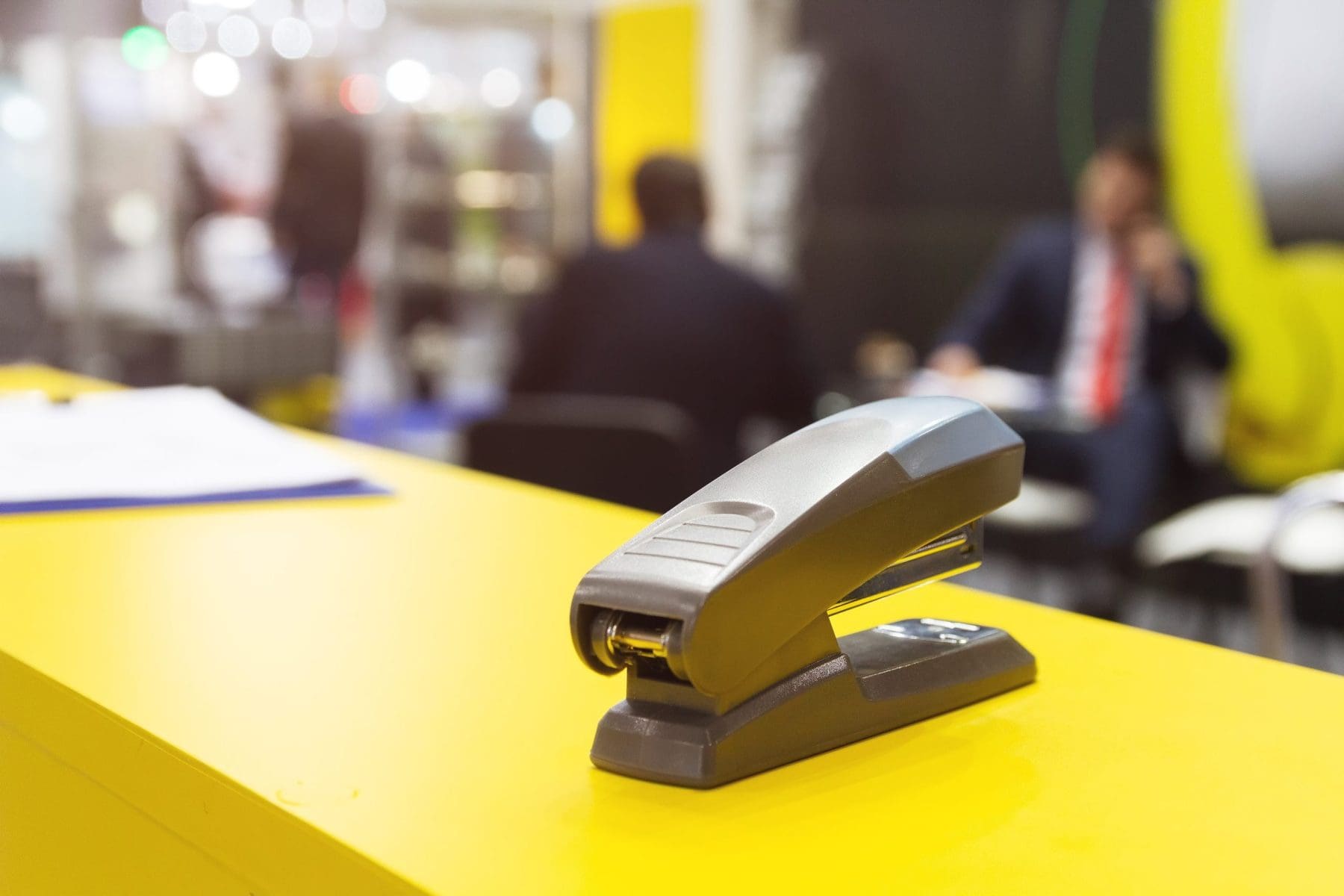 Respect for belongings is respect for people
Personal belongings aren’t just “stuff.” They often represent someone’s time, money, comfort, privacy, and sense of control. A laptop, notebook, keys, headphones, medication, lunch, or even a favorite mug can be deeply personal. When someone touches those items without permission, it sends a message—intentional or not—that the person’s boundaries don’t matter.
Even when the intention is harmless (“I just needed it for a second”), the impact can still be negative. Respecting belongings is one of the simplest ways to show respect for coworkers as individuals.
A workplace that respects property usually also respects:
- personal space
- time and attention
- differences in comfort levels
- privacy and confidentiality
Those are foundational elements of a healthy office culture.
It builds trust and psychological safety
Trust in the workplace isn’t built only through big actions. It’s built through daily patterns: people doing what they say they’ll do, being considerate, and not crossing lines.
When employees feel confident that their personal items won’t be touched or taken, they relax. They focus. They feel safe leaving a jacket on a chair, stepping away from a desk, or storing lunch in a shared refrigerator without worrying.
On the flip side, when people feel they have to guard their space, hide items, label everything aggressively, or lock drawers constantly, the office becomes a low-grade stress environment. That stress is contagious. It makes people more cautious, less collaborative, and less open—because they’re constantly managing risk.
Respecting belongings is a quiet but powerful way to create psychological safety: the feeling that you won’t be disrespected, undermined, or taken advantage of.
It reduces conflict and workplace tension
Many office conflicts start with small incidents that aren’t addressed properly:
- “Someone keeps taking my pens.”
- “My lunch disappeared again.”
- “Why is my desk drawer open?”
- “My phone charger was unplugged and missing.”
These issues can feel petty—until they repeat. Then they become patterns, and patterns become resentment. People start making assumptions about coworkers’ intentions, gossip starts, and a team that should be focused on work becomes focused on frustration.
Respect for belongings prevents conflicts before they begin. And when problems do happen, responding with accountability and care prevents them from escalating.
It supports fairness and professionalism
Offices run best when people share resources appropriately. That’s why many workplaces provide common supplies and shared equipment: printers, paper, pens, markers, conference rooms, and kitchen basics. Those are intended to be communal.
Personal belongings are different. Borrowing without asking creates an unfair situation: one person pays for something, and others benefit without permission. Even if the item is returned, the person still loses time, convenience, and peace of mind.
Professionalism includes recognizing the difference between:
- company property (meant for shared use),
- communal items (like kitchen supplies labeled for everyone),
- personal property (owned by an individual),
- confidential materials (which require extra care).
Clear boundaries make the environment more respectful for everyone.
It protects privacy and sensitive information
In many offices, personal belongings include confidential information:
- notebooks with client details
- sticky notes with passwords (not ideal, but it happens)
- documents awaiting shredding
- devices with private messages or account access
Touching someone’s desk items, moving papers, or opening drawers can unintentionally expose private or sensitive information. Even if no harm is intended, it’s still a violation. In some workplaces, it can also raise compliance issues.
A strong culture of respecting personal property often improves overall security because people become more mindful about what they touch and what they leave alone.
It improves morale and belonging
People are more willing to invest effort in a workplace that treats them with care. Respecting belongings signals that the workplace values individuals—not just their output. That fosters morale and belonging.
When employees feel respected, they’re more likely to:
- communicate openly,
- collaborate generously,
- stay calm during stressful periods,
- take pride in the workplace environment.
It also helps diverse teams thrive. Different cultures and backgrounds have different norms around personal space and property. When the office standard is “ask before you touch,” everyone benefits.
Common office situations where boundaries matter
Respecting belongings doesn’t mean treating coworkers like strangers. It means knowing where the line is. Here are common situations that often cause issues:
Borrowing items from a desk
Even small items—scissors, chargers, tape—shouldn’t be taken without asking. If someone isn’t there, it’s better to wait or use shared supplies.
Food in the fridge
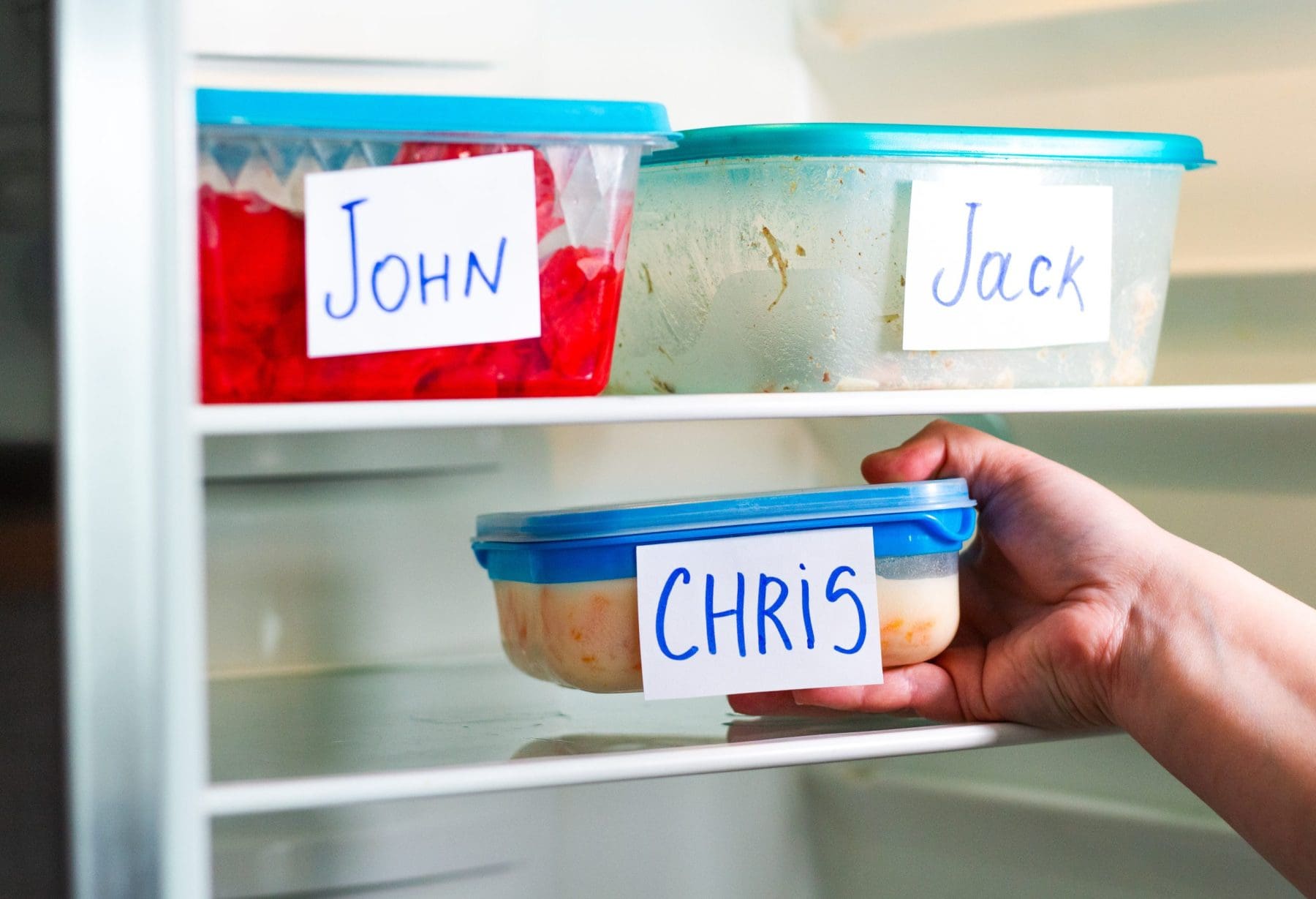
Taking someone else’s food is one of the fastest ways to create anger in a workplace. Even “just a bite” can feel disrespectful. If food is communal, label it clearly as such. If it isn’t, don’t touch it.
Personal workspaces
Moving items on someone’s desk “to tidy up” can still violate boundaries. People organize their space for a reason, and unexpected changes can create stress.
Shared spaces and “claimed” items
Mugs, chairs, desk fans, and decorations can create confusion in open offices. The easiest standard is: if it’s not clearly communal, treat it as personal.
Lost-and-found and mistaken identity
Sometimes items are moved unintentionally—cleaning crews, office reorganizations, or simple mistakes. Clear labeling and respectful communication can prevent misunderstandings.
How offices can build a respectful culture around belongings
Respect is both a personal habit and a team standard. The best workplaces make it easy to do the right thing.
- Establish simple norms
- Ask before borrowing anything that isn’t yours.
- Return borrowed items promptly and in good condition.
- Don’t open drawers, bags, or personal storage.
- Don’t take food or drinks that aren’t yours.
- If you’re unsure, don’t touch—ask.
- Provide shared supplies and clearly label themSome “borrowing” happens because shared supplies aren’t available. Stock common items in a clear place so people aren’t tempted to grab from desks.
- Encourage labeling without embarrassmentLabels shouldn’t be a sign of distrust; they can simply reduce confusion. In shared fridges and open-plan offices, labeling protects everyone from mistakes.
- Create secure storage optionsLockers, desk drawers, or secure cabinets help employees feel safe. Not everyone wants to carry personal items around all day.
- Set expectations for cleaning and maintenance staffCleaning teams should know what not to move or discard. Employees should also keep personal and sensitive items secured when possible.
- Address issues quickly and respectfullyIf something goes missing or boundaries are crossed, avoid public accusations. Managers and team leads should handle it calmly:
- clarify expectations,
- ask for accountability,
- protect privacy,
- prevent repeated incidents.
The goal is not punishment—it’s restoring trust.
 What to do if someone crosses the line
If a coworker uses your belongings without asking, it’s okay to address it. A calm, direct approach works best:
- “Hey—next time, can you ask before using my charger? I need it for my phone during the day.”
- “I noticed my lunch was taken. Please don’t take food that isn’t yours.”
- “I prefer people not move things on my desk. It throws off my system.”
Most of the time, people respond well when the message is clear and respectful. If it continues, it’s reasonable to involve a supervisor or HR—especially if items go missing or the behavior feels intentional.
Work Tips
Visit VOC Associates to gain comprehensive information on work skills. Whether you’re seeking seasoned professionals’ expertise or valuable insights, our dedicated team is here to assist you.
Related Posts





Get In Touch
Get in touch with our medical and dental equipment experts. VOC understands this challenge and provides customized planning and transition services to minimize the impact to your team and ensure a successful outcome.
Contact Info



 CALL US TODAY